


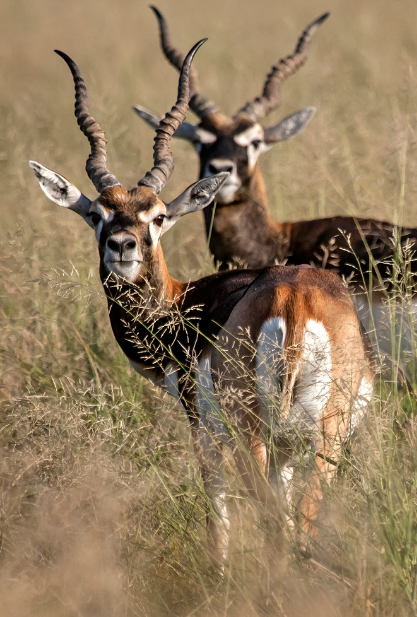
Texas Blackbuck Hunting Guide: Year-Round Tactics for the Spiral-Horned Antelope
Texas offers one of the most unique hunting opportunities in North America: free-ranging and managed populations of exotic species, including the striking blackbuck antelope. Native to India, blackbuck have adapted exceptionally well to the Texas landscape, especially in the Hill Country, giving hunters the rare chance to pursue a fast, sharp-eyed, and visually stunning game animal year-round.
Whether you’re interested in exotic hunting in the Texas Hill Country or planning a dedicated trophy pursuit, this guide breaks down everything you need to know about blackbuck behavior, timing, tactics, and trophy evaluation.
Understanding Blackbuck Behavior: Vision, Speed, and Territory
Blackbuck are unlike native North American game species in several important ways. Their survival instincts are finely tuned to open terrain, making them a challenging and rewarding quarry.
Exceptional Vision
Blackbuck rely heavily on their eyesight, far more than scent or hearing compared to whitetail deer.
- They can detect movement at long distances
- Even slight motion can alert an entire herd
- Camouflage helps, but stillness is more important
Hunters must minimize movement and use terrain effectively to avoid detection.
Incredible Speed
Blackbuck are among the fastest land animals in Texas.
- Capable of reaching speeds up to 50+ mph
- Known for explosive bursts and long-distance sprints
- Difficult to recover once spooked
This speed makes shot placement and timing critical, opportunities are often brief.
Herd Dynamics & Territory
Blackbuck are typically found in:
- Small bachelor groups
- Mixed herds with females and a dominant male
Dominant males establish territories and will defend them, especially during the rut.
Key Insight: Territorial behavior can be used to your advantage by provoking a response during breeding season.
The Best Time to Hunt Blackbuck in Texas: Coat Color vs. Rut Action
One of the biggest advantages of blackbuck hunting in Texas is the ability to hunt them year-round. However, timing your hunt can influence both trophy quality and hunting strategy.
Winter: The Darkest Blackbuck Coat
During winter months, mature males develop their most striking appearance:
- Deep chocolate-to-black upper coat
- Sharp contrast with white underparts
- Highly desirable for trophy hunters
If your goal is aesthetics and taxidermy quality, winter is often considered the best time to hunt.
Summer: Peak Rut Activity (June–July)
The blackbuck rut typically peaks in early summer.
- Increased movement throughout the day
- Territorial males become more aggressive
- More opportunities to spot dominant bucks
While coats may be lighter in color, the action during the rut can make for an exciting and dynamic hunt.
Year-Round Opportunities
Because blackbuck are classified as exotic game in Texas:
- No closed season
- No state-imposed bag limits
- Hunting availability depends on ranch management
This flexibility allows hunters to plan trips based on personal preferences rather than strict seasons.
Spot-and-Stalk vs. Blind Hunting: Which Tactic Wins?
Two primary methods dominate blackbuck hunting in Texas: spot-and-stalk and blind hunting. Each has its advantages depending on terrain, pressure, and hunter preference.
Spot-and-Stalk Exotic Hunts
This is the most engaging and physically demanding method.
How It Works:
- Glass from a distance to locate animals
- Use terrain (hills, brush, dips) to close the gap
- Move slowly and deliberately to stay undetected
Advantages:
- Highly rewarding and immersive
- Ideal for open Hill Country terrain
- Greater control over target selection
Challenges:
- Requires patience and physical stamina
- Blackbuck vision makes close approaches difficult
Spot and stalk exotic hunts are often favored by experienced hunters looking for a challenge.
Blind Hunting
A more controlled and strategic approach.
Setup:
- Positioned near feeders, water sources, or travel routes
- Minimal movement required
- Often used on managed ranches
Advantages:
- Higher success rates
- Ideal for beginners
- Less physically demanding
Challenges:
- Less interactive than spot-and-stalk
- Requires pre-scouted locations
Which Is Better?
There’s no universal winner:
- Choose spot-and-stalk for challenge and engagement
- Choose blind hunting for consistency and higher odds
Many hunters combine both methods depending on conditions.
Trophy Evaluation: Judging Horn Length and Spiral Curls
Blackbuck are prized for their unique spiral horns, making trophy evaluation a key part of the hunt.
Horn Length
Mature blackbuck typically have horns ranging from:
- 18 to 28 inches
- Exceptional trophies exceeding 30 inches
Length is measured along the spiral, not straight up.
Spiral Shape
In addition to length, the quality of the spiral is critical:
- Tight, well-defined corkscrew shape is most desirable
- Symmetry between both horns increases trophy value
- More turns generally indicate maturity
Mass and Bases
Look for:
- Thick bases
- Consistent mass throughout the horn
Thin horns, even if long, are generally less desirable.
Body Characteristics
A mature trophy blackbuck will often show:
- Dark, nearly black coloration (in winter)
- Thick neck during rut
- Confident, dominant behavior
Blackbuck Meat Quality: What to Expect
Beyond the trophy, blackbuck are also valued for their excellent table fare.
- Lean, tender meat
- Mild flavor compared to many wild game species
- Comparable to high-quality antelope or venison
Proper field care and processing are essential to preserve meat quality.
Exotic Hunting in the Texas Hill Country
The Texas Hill Country is the epicenter of blackbuck hunting in the state.
Why It’s Ideal:
- Rolling terrain perfect for spot-and-stalk
- Established populations of exotic species
- Numerous ranches offering guided hunts
Hunters pursuing blackbuck antelope in Texas will find no shortage of opportunities in this region.
Practical Tips for Blackbuck Hunting Success
To consistently succeed, focus on refining your approach.
Use Optics Effectively
- Invest in quality binoculars or spotting scopes
- Spend more time glassing than walking
Plan Your Approach Carefully
- Use terrain to stay hidden
- Avoid skyline exposure
- Move during times of low visibility (early morning or evening)
Take Ethical Shots
- Aim for the vital zone (behind the shoulder)
- Be prepared for quick follow-up shots if needed
Work with Experienced Guides
If you’re new to exotic hunting in Texas:
- Guided hunts increase success rates
- Local knowledge of herd patterns is invaluable
Final Thoughts
Blackbuck hunting in Texas combines the excitement of exotic game with the accessibility of year-round seasons. Their sharp vision, blazing speed, and striking appearance make them one of the most challenging and rewarding animals you can pursue.
Whether you’re targeting a dark-coated winter trophy, planning a high-action rut hunt in June and July, or testing your skills with spot-and-stalk exotic hunts, preparation and strategy are key.
From understanding blackbuck behavior to mastering shot opportunities and evaluating trophy quality, every detail matters. With the right approach, Texas offers a truly world-class blackbuck hunting experience, one that keeps hunters coming back year after year.