

Mentoring the Next Generation: A Guide to First Hunts
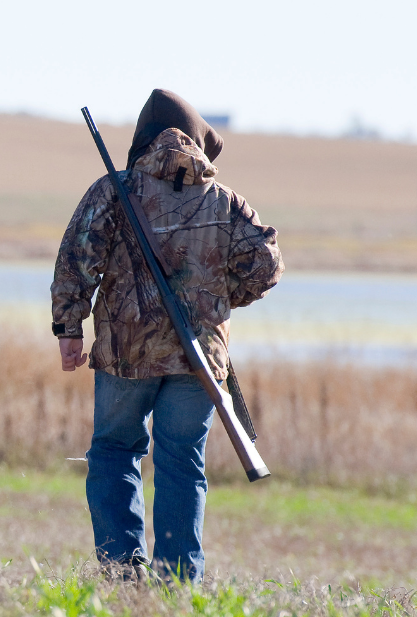
Introducing someone to their first hunt is about far more than teaching them how to harvest an animal. It’s about passing on values—respect for wildlife, responsibility in the field, and a deeper understanding of conservation. Whether you’re mentoring a young hunter in Texas or guiding a newcomer of any age, your role is to shape not just their skills, but their mindset.
A thoughtful, well-prepared mentorship experience can ignite a lifelong appreciation for the outdoors. Here’s how to do it right.
Safety First: Choosing the Right Hunter Education Course
Before a new hunter ever steps into the field, safety must be the top priority. Hunter education is not just a legal requirement in many states, it’s the foundation of responsible hunting.
In Texas, the Texas Parks and Wildlife Department requires hunter education certification for anyone born on or after September 2, 1971, to legally hunt. But beyond compliance, these courses instill critical knowledge that every hunter needs.
A quality hunter education course covers:
- Firearm and archery safety
- Proper handling and storage of equipment
- Wildlife identification
- Hunting laws and regulations
- Ethical shot placement and decision-making
Courses are typically offered in two formats: in-person and online. For first-time hunters, especially youth, an in-person or hybrid option is often best. These formats allow for hands-on learning, real-time questions, and direct interaction with instructors.
As a mentor, your job doesn’t stop at enrollment. Reinforce what they learn:
- Practice safe firearm handling regularly
- Review scenarios they might encounter in the field
- Model safe behavior at all times
Remember, new hunters will mirror what they see. If safety becomes second nature to you, it will to them as well.
Beyond the Harvest: Teaching the “Why” Before the “How”
One of the most common mistakes in mentoring is focusing too quickly on the mechanics of hunting, how to shoot, where to aim, when to pull the trigger. While these skills are important, they should come after something deeper: understanding why we hunt.
Start by framing hunting within the context of conservation.
Explain how regulated hunting supports wildlife populations through funding and management. Discuss the role of hunters in maintaining ecological balance and preventing overpopulation. Introduce them to the concept of ethical hunting, taking only responsible shots, respecting seasons and limits, and valuing the animal.
This perspective transforms hunting from a task into a responsibility.
You can also teach the “why” through experience:
- Spend time observing wildlife without the intention to harvest
- Learn to identify animal tracks, habitat, and behavior
- Talk about the role each species plays in the ecosystem
When it comes time for a first harvest, emphasize that it’s not the only measure of success. A successful hunt might mean:
- Safely navigating the outdoors
- Making a good decision not to take a shot
- Learning patience and awareness
If a harvest does occur, guide them through the full process:
- Express respect for the animal
- Explain field dressing and meat care
- Highlight the importance of using what is taken
This approach builds a foundation of gratitude and responsibility that will stay with them for life.
Building Confidence in the Field
Confidence doesn’t come from a single successful hunt, it’s built through preparation and positive experiences.
Start small. Choose locations with a higher likelihood of wildlife encounters and minimal pressure. Keep early hunts short and engaging to avoid fatigue or frustration.
Let the new hunter participate actively:
- Help set up blinds or stands
- Practice calling or spotting
- Make decisions under your guidance
Encourage questions and curiosity. The more involved they feel, the more invested they’ll become.
It’s also important to normalize mistakes. Missed shots, spooked animals, and quiet days are all part of hunting. Use these moments as teaching opportunities rather than disappointments.
Your attitude will shape theirs. Stay patient, stay positive, and keep the focus on learning.
Creating a Meaningful Mentorship Experience
Mentorship is about relationship-building as much as skill-building. The best mentors create an environment where new hunters feel supported, respected, and excited to learn.
Consider incorporating these elements:
Storytelling
Share your own hunting experiences, the successes and the failures. Stories help new hunters connect emotionally to the tradition.
Tradition and Ritual
Whether it’s a special meal after the hunt or a simple moment of reflection, traditions make the experience memorable.
Inclusivity
Hunting is for everyone. Encourage participation regardless of background, and be mindful of making the experience welcoming and accessible.
Conservation Involvement
Introduce your mentee to conservation organizations, volunteer opportunities, or habitat projects. This reinforces the idea that hunting is part of a larger mission.
Career Paths: Wildlife Management and Beyond
For some young hunters, a first hunt can spark more than a hobby, it can inspire a career.
The world of wildlife and outdoor professions is broader than many realize. Mentors can play a key role in opening these doors by introducing mentees to potential paths, such as:
Wildlife Biology
Professionals in this field study animal populations, behavior, and ecosystems. They often work for state agencies, universities, or conservation organizations.
Game Warden/Conservation Officer
These individuals enforce hunting laws, protect natural resources, and educate the public. In Texas, game wardens are part of the Texas Parks and Wildlife Department and play a critical role in conservation.
Habitat Management
This career focuses on maintaining and improving ecosystems, everything from wetlands restoration to forest management.
Outdoor Education
Educators teach others about hunting, conservation, and outdoor skills through schools, nonprofits, and community programs.
Conservation Advocacy
Some professionals work in policy and advocacy, helping shape laws and initiatives that protect wildlife and habitats.
If your mentee shows interest, encourage them to:
- Participate in youth outdoor programs
- Attend conservation events or workshops
- Explore internships or volunteer opportunities
Even if they don’t pursue a career in the field, these experiences will deepen their understanding and appreciation of conservation.
The Long-Term Impact of Mentorship
Mentoring a new hunter is an investment in the future, not just of that individual, but of conservation as a whole.
Every ethical, informed hunter contributes to:
- Sustainable wildlife populations
- Conservation funding
- Preservation of outdoor traditions
But perhaps most importantly, they become advocates, people who understand the value of wildlife and are willing to protect it.
Your influence as a mentor extends far beyond a single hunt. The lessons you teach, about safety, ethics, respect, and stewardship, will shape how your mentee interacts with the natural world for years to come.
Conclusion
A first hunt is never just a first hunt. It’s the beginning of a journey, one that can lead to a lifetime of outdoor experiences, personal growth, and conservation-minded thinking.
By prioritizing safety, teaching the deeper purpose behind hunting, and fostering confidence and curiosity, mentors can create meaningful, lasting experiences for the next generation.
In the end, successful mentorship isn’t measured by harvests, but by the values passed on. When done right, it ensures that hunting remains not only a tradition, but a force for conservation, education, and connection to the natural world.