


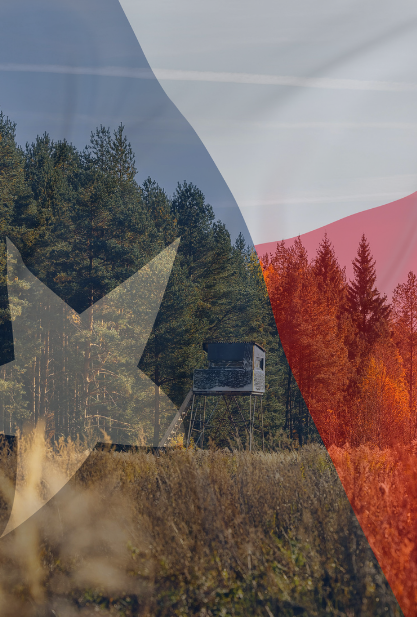
When introducing a young person to hunting, one of the first questions often asked is: “How old do you have to be to hunt in Texas?” The answer isn’t as simple as a single number. Texas has a nuanced set of rules depending on age, supervision, hunter education status, public vs private land, and type of hunt. This post breaks down Texas hunting laws, youth provisions, and what aspiring young hunters (and their mentors or guardians) need to know.
Texas Hunting Age Requirements
Texas does not specify a single universal minimum hunting age for all scenarios. Instead, the rules combine hunter education, supervision, and licensing requirements to create a framework that allows minors to hunt under certain conditions.
Here’s how it works in Texas:
-
A child can potentially participate in some hunts even under age 9—provided they are accompanied by an appropriate adult.
-
The minimum age for obtaining a Hunter Education certificate in Texas is 9 years.
-
For youth-only seasons, eligibility typically applies to hunters 16 years of age or younger.
-
When applying for public hunt permits in Texas, youth applicants often must be at least 8 years old to apply.
Because of these overlapping rules, a 9‑year-old who has successfully completed the hunter education course may legally hunt in many situations (especially with supervision) in Texas.
Hunter Education Requirements in Texas
Texas requires most hunters born on or after September 2, 1971 to complete a Hunter Education course. The certification is good for life and must be carried (in printed or electronic form) while hunting.
Here are key points for youth:
-
The minimum age to enroll in the Hunter Education program is 9 years
-
Ages 9 through 16: Must either complete hunter education or be accompanied by a qualifying adult while hunting.
-
Ages 17 and older: Must complete hunter education to hunt legally (or use a one‑year Hunter Education Deferral, if eligible) and obey accompanying rules.
The deferral option costs $10, can be obtained once, and allows a 17‑year-old to hunt for one year while completing the hunter education requirement.
In short: a young hunter should take the hunter education course as soon as possible (age 9 being the earliest), which unlocks additional freedom and reduces supervision constraints.
Youth Hunting Supervision Rules
Because minors have less experience and judgment, Texas imposes supervision requirements for youth hunters, especially on public lands.
Here’s how supervision rules play out:
-
When hunting on public lands, youth under 17 are generally required to have immediate supervision by an adult licensed hunter (18 or older).
-
Youth under 12 years old must remain within normal voice distance of their supervising adult.
-
For youth ages 12 to 16 who are hunter-education-certified, supervision is somewhat relaxed: the supervising adult must be present in the same public hunting unit, but not necessarily in close proximity at all times.
-
In youth-only hunts (on public lands), adults supervise but in many cases only youth are allowed to harvest game.
-
On private land, the supervision rules are more flexible, but youth often still must abide by the state’s accompaniment rules when not certified.
Thus, supervision is tiered: tighter for younger children, more lenient for teen hunters who hold a hunter education certificate. These rules prioritize safety while allowing gradual independence.
Special Youth Hunting Opportunities in Texas
Texas offers special opportunities designed for young or mentored hunters, enhancing access and encouraging youth participation in wildlife conservation.
Some of these include:
-
Youth-only seasons: Texas designates certain hunts for youth (16 years or younger) before or after general seasons for deer, turkeys, squirrels, and waterfowl.
-
Youth Waterfowl Days: Additional hunting days allocated specifically for youth (16 or under), though accompanied youth without hunter education must be supervised.
-
Texas Youth Hunting Program (TYHP): This program sponsors introductory hunts across species like deer, turkey, hogs, exotics, dove, small game, etc. It provides mentors, lodging, meals, and structured learning.
-
In public land hunts drawn by permit, youth from 8 years of age can apply (with supervising adult) in many categories.
These programs are designed not only to lower access barriers but also to build safer, more ethical young hunters through hunter mentorship, youth hunting education, and structured hunts.
Getting a Youth Hunting License in Texas
To legally hunt, even youth must possess a valid license (unless an exception applies). Here are essentials for obtaining a youth hunting license:
-
Texas offers a Youth Hunting License (Type 169).
-
The youth license remains valid for the entire license year—even if the youth turns 17 during that period.
-
A child must meet all required stamps, tags, and HIP (Harvest Information Program) certification, especially for migratory birds.
-
A certified hunter education course may be required, depending on age and the type of hunt.
-
Proof of hunter education or deferral must be carried during the hunt.
Note: In some youth hunts (especially on public lands), the application fee is waived for youth participants.
Thus, youth hunters should obtain their license early and be sure to secure stamps, tags, and education credentials as required.
Out‑of‑State Youth Hunters in Texas
If a young hunter from another state wishes to hunt in Texas, here’s what they need to know:
-
Hunter Education Reciprocity: Texas will recognize hunter education certification from other states (for youth) in many cases, especially for participation in TYHP and public hunts.
-
The out-of-state youth still needs to acquire a Texas non-resident hunting license (or youth license if eligible) and required tags/stamps.
-
They must follow Texas’s supervision rules when hunting on public lands: e.g., immediate supervision if under 17, voice distance for under 12, etc.
-
For certain drawn youth hunts, applicants must apply with a supervising adult who meets Texas requirements.
In sum, non-resident youth can hunt in Texas provided they comply with all licensing, supervision, and education rules, with reasonable recognition of out‑of‑state certifications.
Summary & Advice for Young Hunters and Mentors
Texas’s rules don’t set a single minimum hunting age; instead, they combine education, supervision, and youth-season opportunities to safely integrate minors into hunting.
Here are some practical takeaways:
-
Encourage young hunters to take Hunter Education as soon as possible (minimum age 9) to reduce supervision constraints.
-
Always check whether the land is public or private, as supervision rules may differ.
-
Seek out youth-only hunts or mentor-led hunts (such as TYHP) to provide controlled, positive early hunting experiences.
-
Even if out-of-state, confirm that your hunter education is accepted in Texas and follow supervision rules.
-
Remember: youth license requirements, required stamps, and HIP certification all still apply.
Be a part of the HSCF Community!
Joining HSCF means becoming part of a passionate, global community dedicated to wildlife conservation and sustainable hunting. Members support critical conservation efforts and gain access to exclusive events, educational resources, and networking opportunities. United by a love for nature and responsible outdoor practices, HSCF members play a vital role in preserving wildlife and habitats for future generations.