


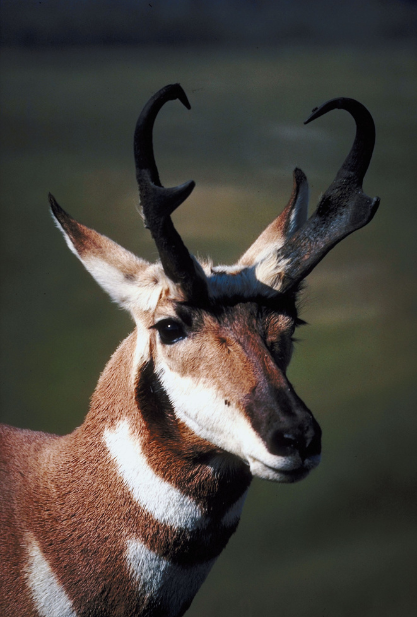
The rut for pronghorn generally occurs from late August through early October, depending on the region. During this time, bucks become territorial and start rounding up does into small harems.
Key rut behaviors include:
-
Chasing rival bucks away from their herd.
-
Aggressively defending does.
-
Increased vocalizations (grunts and wheezing sounds).
-
More daytime movement, especially from dominant bucks.
The rut is a fantastic time to use decoys effectively, as rutting bucks may charge in to investigate or challenge another buck. It also makes stalking easier, as bucks may be distracted and less cautious.
Reading the Plains Weather and Its Effect on Pronghorn
On the wide-open prairie, weather plays a critical role in pronghorn movement and behavior:
-
Windy days can help mask your movement and scent. Pronghorn are less edgy on breezy days.
-
Hot, dry weather pushes animals closer to water sources—great for stand hunting or ambush setups.
-
Cold fronts can cause temporary movement changes, especially early in the season.
-
Cloud cover and overcast skies reduce the intensity of pronghorn eyesight slightly, giving hunters a better edge.
Being able to read weather patterns and adjust your approach is a mark of a seasoned antelope hunter.
Effective Stalking Techniques Based on Behavior
Now that you understand how pronghorn behave, here’s how to use that knowledge for a successful stalk:
-
Glassing First – Use quality optics to locate pronghorn from afar. Look for feeding herds in the morning and bedded bucks by mid-morning.
-
Map Your Approach – Use terrain to plan a route that stays hidden from the pronghorn’s line of sight.
-
Watch the Wind – Always approach from downwind. Combine with solid scent control practices.
-
Be Patient – If the herd is alert, wait them out. Pronghorn often bed again after being disturbed.
-
Use a Decoy – During the rut or in flat terrain, a pronghorn buck decoy can help close the distance.
-
Practice Long-Range Shooting – Be prepared for longer-than-average shots, especially in rifle hunting. Know your ballistics and limitations.
In archery hunting, every inch counts. Learn to crawl, belly-slide, and sit still for long periods. You may only get one chance, so make it count.
Final Thoughts
Pronghorn hunting is unlike any other big game pursuit in North America. Wide-open spaces, sharp-eyed animals, and unpredictable weather make for a tough but rewarding hunt. By understanding pronghorn behavior, reading the land and weather, and tailoring your stalking strategies to fit the animal’s natural instincts, you can gain the upper hand.
Whether you’re chasing bucks during the rut or picking apart a bedding herd with your glassing setup, the key is to respect the pronghorn’s intelligence—and let your knowledge do the heavy lifting.
Be a part of the HSCF Community!
Joining HSCF means becoming part of a passionate, global community dedicated to wildlife conservation and sustainable hunting. Members support critical conservation efforts and gain access to exclusive events, educational resources, and networking opportunities. United by a love for nature and responsible outdoor practices, HSCF members play a vital role in preserving wildlife and habitats for future generations.