


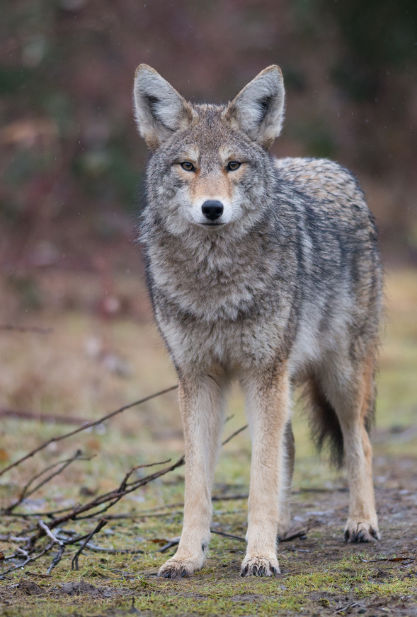
Coyotes are among the most adaptable and cunning predators in North America, making them both fascinating and challenging targets for hunters. To be effective at predator hunting, especially coyote hunting, it’s essential to understand their behavior, communication, and how to strategically set up your calling stands. In this blog, we’ll dive deep into coyote behavior, vocalizations, and proven tactics for coyote calling that can help you become more successful in the field.
The Social Dynamics of a Coyote Pack
Coyotes are not as solitary as many believe—they are highly social animals that often live and hunt in family units or packs. A typical coyote pack consists of a mated pair and their offspring, and these groups are governed by a clear social hierarchy. Understanding this structure is key to tailoring your coyote calling tactics effectively.
During the fall and winter, young coyotes begin to disperse, making them more susceptible to distress calls and territorial howls. Recognizing these seasonal shifts in behavior can significantly improve your success rate when fur hunting or engaging in varmint hunting.
Coyote Vocalizations: What They Mean
Coyotes are incredibly vocal animals. Their howls, yips, barks, and whines are not random but serve specific social and territorial functions. For predator callers, decoding these coyote sounds is a powerful advantage.
-
Howls – Typically used for long-range communication and to announce territory.
-
Yips and group yip-howls – Often signal social bonding or pack reunions.
-
Barks – Can be warning signals or challenges to intruders.
-
Distress calls – Mimic prey in distress and are highly effective for luring coyotes during a hunt.
Whether using electronic calls or mouth calls, matching the right sound to the situation is key to enticing a response from these wary predators.
How Coyotes Hunt and What They Eat
Coyotes are opportunistic feeders and will eat just about anything—from small mammals and birds to carrion and even fruits. They are also skilled hunters and will often hunt cooperatively, especially when targeting larger prey like deer fawns.
Knowing their diet helps inform your coyote calling strategy. For example, rabbit distress calls, rodent squeaks, and even fawn bleats can simulate natural prey and trigger an aggressive hunting response.
The Impact of Weather on Coyote Activity
Weather plays a major role in coyote behavior and movement patterns. Here’s how different conditions can affect your hunt:
-
Cold fronts and overcast skies often increase daytime movement.
-
High winds may suppress vocalizations but also help cover your sound and scent.
-
Snow and rain can reduce scent dispersal, which is useful for scent control.
Temperature drops often spark increased activity, especially during the breeding season. Adapting your hunting setups to align with these weather patterns can make a noticeable difference.
Effective Coyote Calling Strategies
To be successful, your predator calling strategy needs to be tailored to the season, the local coyote population, and recent weather patterns.
-
Start soft – Begin with low-volume calls to avoid spooking nearby coyotes.
-
Build intensity – Gradually increase the volume or change up the sounds.
-
Vary your calls – Mix in howls, distress calls, and even coyote pup sounds to create a realistic soundscape.
-
Use pauses – Don’t call constantly. Coyotes often approach during silent periods.
Understanding how and when to use both electronic calls and mouth calls can help keep your setups sounding fresh and believable.
Setting Up for a Successful Coyote Hunt
Success in coyote hunting often comes down to location and execution. Here are some core principles:
-
Stand selection – Choose locations with good visibility, cover, and likely coyote travel routes.
-
Wind direction – Always keep the wind in your face or crosswind; coyotes will almost always try to approach from downwind.
-
Scent control – Use scent-neutral clothing and sprays to avoid detection.
-
Night hunting – Utilizing thermal optics or night vision gives you an edge when coyotes are most active.
-
Silent entry – Approach your stand quietly and minimize movement.
Many successful hunters recommend scouting areas in advance and keeping coyote hunting tips like these in mind during every hunt.
Final Thoughts
Understanding coyote behavior and using that knowledge to inform your coyote calling strategy is what separates successful hunters from the rest. With careful attention to vocalizations, weather conditions, and stand setup, you can dramatically increase your odds on every hunt.
Whether you’re night hunting with thermal optics or calling coyotes in broad daylight, staying adaptable and observant is key. Combine that with the right calls, smart hunting setups, and disciplined execution—and you’ll be stacking fur in no time.
Be a part of the HSCF Community!
Joining HSCF means becoming part of a passionate, global community dedicated to wildlife conservation and sustainable hunting. Members support critical conservation efforts and gain access to exclusive events, educational resources, and networking opportunities. United by a love for nature and responsible outdoor practices, HSCF members play a vital role in preserving wildlife and habitats for future generations.