


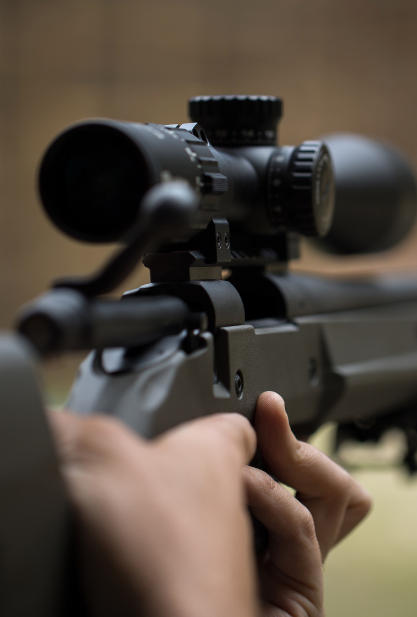
Buying new rifle optics at a gun show or outdoor expo can feel overwhelming—even for experienced shooters. With hundreds of scope models on display and vendors eager to make a sale, it’s easy to walk away with optics that don’t match your rifle, your hunting style, or your budget. Whether you’re comparing different scope models, checking out the best glass quality rifle scopes, or trying to finally understand reticle types and focal planes, knowing what to ask is essential.
This guide breaks down the Top Ten Questions to Ask Before Buying New Rifle Optics at our Convention, organized into five core areas: Optical Performance, Features & Functionality, Durability & Warranty, Reticle Selection, and Value & Suitability. These questions help ensure you’re getting dependable performance—whether you’re hunting big game, shooting long-range steel, or upgrading a home-defense carbine.
1. What Is the Real Optical Performance Compared to Similar Scopes?
Optical Performance Questions
When evaluating rifle optics, the first thing most shooters notice is the clarity of the glass. But vendors at shows often display scopes under bright lighting that hides flaws. Ask these questions to get a more accurate picture:
What glass quality does this scope use, and is it fully multi-coated?
High-end optics typically use extra-low dispersion (ED) or high-definition (HD) glass to reduce chromatic aberration and enhance sharpness. Fully multi-coated lenses improve light transmission, contrast, and color accuracy.
How does this model perform in low-light conditions?
Low-light performance is critical for dawn or dusk hunting. Look for scopes known for excellent twilight transmission. Compare this model directly to similar scopes at the booth—side-by-side comparisons reveal a lot.
How large is the objective lens, and does it match my hunting needs?
Objective lens size impacts brightness, weight, and mounting height.
-
- 40–44mm = great all-around hunting
- 50mm+ = improved low-light brightness but heavier and higher-mounted
What is the eye relief, and is it constant across the magnification range?
Eye relief is critical for high-recoil rifles and comfortable field use. The vendor should demonstrate the scope at both low and high power so you can see if eye relief changes significantly.
Can you demonstrate edge-to-edge clarity and field of view?
Some scopes are sharp in the center but fuzz out at the edges. Look through the optic and pan across the booth. Edge-to-edge clarity is a major quality indicator.
2. Which Features and Adjustments Matter Most for My Type of Shooting?
Features and Functionality Inquiries
Modern rifle scopes offer a huge array of features—turrets, zoom ratios, side parallax knobs, illuminated reticles, zero stops, and more. Ask vendors to explain the features realistically, not just marketing buzzwords.
Is this a first focal plane (FFP) or second focal plane (SFP) scope?
FFP scopes keep reticle subtensions accurate at all power settings, ideal for long-range shooting and ranging.
SFP scopes keep the reticle size fixed, which many hunters prefer for visibility at low power.
Ask: “How does the focal plane affect my style of hunting or target shooting?”
What magnification range is best for my rifle setup and typical shooting distances?
-
- 1–6x / 1–8x: AR-style rifles, close-to-mid-range
- 3–9x: classic all-purpose hunting
- 4–16x / 6–24x: long-range or varmint
- Higher magnification: precision competition, not ideal for quick field shots
Make sure you’re not buying “too much scope” for your hunting style.
How precise and repeatable are the turrets?
Ask the vendor to let you dial the turrets several rotations:
-
- Do they click cleanly?
- Is there a true zero stop?
- Does the turret track accurately when dialed up and back down?
Reliable turrets separate good scopes from great ones.
What mounting system is recommended for this scope’s weight and tube diameter?
Scopes vary widely in weight. Heavy optics may require stronger rings or a one-piece mount. If your rifle has a short action or limited rail space, ask whether the scope’s mounting length will pose a problem.
Does the scope include parallax adjustment, and at what distances?
Parallax adjustment is essential for long-range precision. Ask the vendor to explain how their scope’s parallax system works and whether it matches your typical shooting distances.
3. What Kind of Durability and Warranty Protection Am I Getting?
Durability and Warranty Concerns
At a gun show, you can’t exactly drop the scope on the floor to test durability—but you can ask smart questions.
Is the scope nitrogen-purged or argon-purged, and is it fully sealed?
Purge gas prevents internal fogging. Fully sealed scopes resist rain, humidity, and temperature swings—critical for hunting in all weather.
Is the body made from a single piece of aircraft-grade aluminum?
One-piece tubes resist shock better and improve water resistance.
Is the scope tested for recoil, and up to what caliber?
If you’re mounting the optic on a magnum rifle or hard-kicking shotgun, durability matters.
What does the warranty actually cover—and does it apply to show purchases?
Some brands offer:
-
-
Lifetime transferable warranties
-
No-questions-asked replacement policies
-
Accident coverage
Others are more limited. Ask for specifics:
“Does this warranty cover turret failure? Reticle shift? Fogging? Crash damage?”
-
What is the typical turnaround time for repairs or replacements?
A great warranty doesn’t help if they take six months to fix the optic.
4. Which Reticle Type and Focal Plane Make Target Acquisition Easier for My Style of Shooting?
Understanding Reticle Options
Reticles are one of the most misunderstood parts of buying rifle scopes. At shows, you’ll see BDC reticles, MIL-based reticles, MOA reticles, illuminated reticles, Christmas-tree reticles, and more.
Is this reticle BDC, MIL-dot, or MOA—and what are the advantages for my use?
-
- BDC: great for hunting, simple holdovers
- MIL or MOA: preferred for precision, long-range, and repeatability
Ask which one aligns with the ballistic profile of your rifle.
Is the reticle illuminated, and does it wash out in bright daylight?
Some illuminated reticles are basically useless outdoors. Check brightness settings.
Is the reticle too busy for hunting?
Many long-range reticles are cluttered for fast field use. Hunters often benefit from simpler designs.
How thick are the reticle lines?
-
- Thin lines = precision
- Thick lines = better low-light visibility
- Choose based on your environment.
Is this reticle available in both FFP and SFP, and what are the differences in field use?
Vendors should be able to demonstrate both and show you how they behave at different magnifications.
5. Is This Scope Truly a Good Value for My Budget and Rifle?
Value and Suitability Questions
Now that you’ve evaluated optics, features, durability, and reticles, it’s time to make sure the scope is a smart purchase—not just a flashy one on the table.
What is the realistic price range for quality scopes in this category?
A good rule of thumb: Your optic should cost at least half of what your rifle costs.
But this varies by purpose:
-
- Budget hunting scopes: $150–$300
- Mid-range all-purpose scopes: $400–$900
- High-end glass: $1,000+
- Premium long-range optics: $2,000–$3,500
Ask the vendor where this particular model fits and what you’re gaining for the money.
How does this model compare to other scopes in its price class?
Get them to explain differences in:
-
- Glass quality
- Tube size
- Mechanical reliability
- Reticle features
- Turret tracking
- Warranty
Do you have reviews or field results available for this model?
Some vendors keep demo rifles, resale feedback, or printed reviews at their booth. Use them.
Why is this scope suited to my exact shooting style?
Whether you’re shooting deer in tight timber, elk across canyons, or steel plates at 1,000 yards, the optic should match your distances, rifle weight, preferred reticle, and budget.
Are there any show-only deals, accessories, or mounting packages included?
Many shows offer free:
-
- Rings
- Lens covers
- Throw levers
- Cleaning kits
- Discounted mounts
Always ask!
Buying rifle optics at a show is one of the best ways to compare glass quality, reticle options, magnification ranges, and build quality across multiple brands in one day. With the right questions in hand, you can avoid overpriced or ill-suited scopes and walk away with optics that perfectly match your hunting or shooting needs.
Use this list of Top Ten Questions to Ask Before Buying New Rifle Optics at a Show to make confident, informed decisions. Focus on optical performance, mechanical reliability, reticle usability, warranty strength, and overall value. Whether you’re shopping for a long-range precision scope, a new deer-hunting optic, or an all-around do-everything rifle scope, these questions will help you choose with confidence.
Scope Out Brands at HSCF 2026 Convention
The Houston Safari Club Foundation Worldwide Hunting Expo & Convention is more than an event — it’s an investment in your hunting future.
Dates: January 23–25, 2026
Location: The Woodlands Waterway Marriott Hotel & Convention Center
Tickets: $20 Day Pass | $35 Weekend Pass | Kids 15 & Under Free
Military & First Responders: Free admission with ID
Your pass includes a 1-year digital HSCF membership, supporting scholarships, youth education, and wildlife conservation.
Experience:
- Global outfitters ready to book your next adventure
- Exclusive expo deals and giveaways
- Live and silent auctions
- Raffles for premium gear and firearms
- Banquets and galas celebrating the hunting lifestyle
Don’t miss your chance to save money, make connections, and support the future of hunting — all in one weekend.
Learn more and get your passes at hscfdn.org/convention-attendees.