


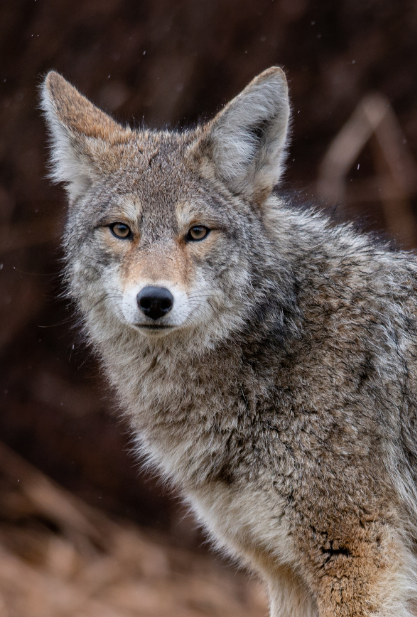
The Ultimate Guide to Coyote Hunting in Texas
Coyote hunting in Texas is as challenging as it is rewarding. With vast landscapes, a booming coyote population, and year-round opportunities, the Lone Star State has become a hotspot for predator hunters. Whether you’re pursuing coyotes for predator control, livestock protection, or simply the thrill of varmint hunting, success requires strategy, patience, and a deep understanding of your quarry.
In this guide, we’ll break down everything you need to know, from understanding coyote behavior to choosing the right gear and mastering your setup.
Understanding Texas Coyote Behavior & Search Intent
Coyotes are one of the most adaptable predators in North America, and in Texas, they thrive in environments ranging from open plains and ranchland to wooded areas and even suburban edges. Understanding their behavior is the foundation of consistent success.
Seasonal Patterns
Coyotes behave differently throughout the year:
- Fall & Early Winter: Young coyotes disperse, making them more vulnerable and responsive to calls. This is one of the best times for beginners.
- Breeding Season (January–March): Coyotes become territorial and aggressive. Vocalizations like howls and challenge calls work particularly well.
- Spring & Summer: Adults are raising pups and are more cautious. Hunting during this time often overlaps with depredating coyotes that threaten livestock.
Daily Movement
Coyotes are primarily nocturnal, especially in heavily pressured areas. However, in rural Texas, they can be active during early morning and late afternoon. Night hunting is especially effective due to reduced human activity and increased predator movement.
Wind and Scent Awareness
Coyotes rely heavily on their sense of smell. They almost always approach a sound from downwind, meaning they’ll try to circle to catch your scent before committing. Ignoring wind direction is one of the most common mistakes hunters make.
Diet and Prey Preferences
Texas coyotes feed on:
- Small mammals (rabbits, rodents)
- Birds
- Livestock (especially calves, lambs, and poultry)
- Carrion
Understanding what they’re feeding on in your area helps you choose the right calls and decoys.
Essential Gear Checklist
Having the right equipment can make or break your hunt. While you don’t need the most expensive gear to get started, investing in quality tools will significantly improve your odds.
Firearms & Ammunition
Popular choices include:
- .223 Remington rifles – versatile and widely used
- .22-250 – flat shooting with excellent range
- Shotguns (for close-range setups in thick brush)
Choose ammunition designed for varmint hunting to ensure quick, ethical kills.
Optics
- Daytime: A quality scope with clear glass and moderate magnification (3-9x or 4-12x)
- Night Hunting: Thermal predator hunting has revolutionized coyote hunting in Texas. Thermal scopes allow you to detect heat signatures even in complete darkness.
Calls: Electronic vs Mouth Calls
Both have their place:
- Electronic Calls
- Remote-controlled
- Wide variety of sounds
- Allows you to position the sound away from your location
- Mouth Calls
- Lightweight and affordable
- No batteries required
- More control and realism in skilled hands
Many experienced hunters use a combination of both.
Decoys
Motion decoys can help hold a coyote’s attention, especially when paired with electronic calls. This distraction can give you the extra seconds needed for a clean shot.
Camouflage & Clothing
Blend into your surroundings:
- Match the terrain (grassland, brush, etc.)
- Use face masks and gloves to conceal exposed skin
- Choose quiet fabrics to avoid unnecessary noise
Additional Essentials
- Shooting sticks or bipod
- Rangefinder
- Wind checker (powder or spray)
- Red or green hunting lights for night hunting
- Comfortable seat or pad
Mastering the Set-Up: Defeating the “Super-Senses”
Coyotes are often called “ghosts of the prairie” for a reason. Their senses, especially smell, hearing, and vision, are incredibly sharp. Beating them requires attention to detail.
Playing the Wind
Always set up with the wind in your face or crosswind. Expect the coyote to approach from downwind, and position yourself accordingly to intercept them before they catch your scent.
Stand Selection
Look for areas with:
- Signs of activity (tracks, scat, howling)
- Natural funnels like creek beds or fence lines
- Elevated positions for better visibility
Avoid skyline exposure, stay hidden against terrain or vegetation.
Entry and Exit
Getting to your stand without being detected is just as important as the setup itself:
- Approach quietly
- Avoid walking across open areas where you might be seen
- Keep the wind in mind even during your approach
Calling Strategy
Start subtle. Coyotes nearby may already be within hearing range:
- Begin with low-volume distress calls
- Gradually increase intensity
- Mix in pauses to simulate realism
If nothing responds after 15–20 minutes, consider moving to a new location.
Shot Placement
Aim for:
- Chest (vital organs)
- Shoulder (to anchor the animal)
Avoid rushed shots, wait for a clear, ethical opportunity.
Night Hunting Laws & Regulations in Texas
Texas offers generous opportunities for night hunting, but it’s essential to stay within the law.
Licensing
A valid Texas hunting license is required for hunting coyotes. While coyotes are considered non-game animals, regulations still apply depending on location and method.
Night Hunting Rules
- Night hunting is generally allowed on private property
- Landowner permission is required
- Use of artificial light, night vision, and thermal optics is legal in most cases
However, regulations can vary by county and local ordinances, so always verify current laws before heading out.
Predator Control & Depredation
Coyotes are often hunted as part of predator control efforts, especially in ranching areas. If coyotes are threatening livestock, landowners may take additional actions under depredation provisions.
Working with landowners can open up access to prime hunting areas while helping manage local predator populations.
Advanced Tips for Consistent Success
Once you’ve mastered the basics, these strategies can elevate your hunting game.
Hunt the Edges
Coyotes love transition zones, where one type of terrain meets another. Focus on:
- Field edges
- Brush lines
- Water sources
Use Vocalizations
Don’t rely solely on distress calls. Howls, yips, and challenge calls can trigger territorial responses, especially during breeding season.
Stay Mobile
If a spot isn’t producing, move. Successful hunters often make multiple stands in a single outing.
Minimize Pressure
Over hunted areas produce educated coyotes that are harder to call. Rotate hunting locations and avoid overcalling the same spot.
Learn from Every Hunt
Pay attention to:
- Wind direction
- Time of day
- Call sequences
- Coyote responses
Keeping a hunting journal can help you identify patterns over time.
Final Thoughts
Coyote hunting in Texas offers a unique blend of challenge and opportunity. With abundant populations, diverse terrain, and year-round access, it’s one of the best places in the country to sharpen your predator hunting skills.
Success doesn’t come from luck, it comes from preparation, persistence, and understanding the animal you’re pursuing. By learning coyote behavior, using the right gear, and mastering your setup, you’ll dramatically increase your chances of success in the field.
Whether you’re focused on varmint hunting, protecting livestock, or simply enjoying the outdoors, coyote hunting is a pursuit that rewards those who are willing to put in the effort.
Stay patient, stay sharp, and always respect the land and the animals you hunt.