


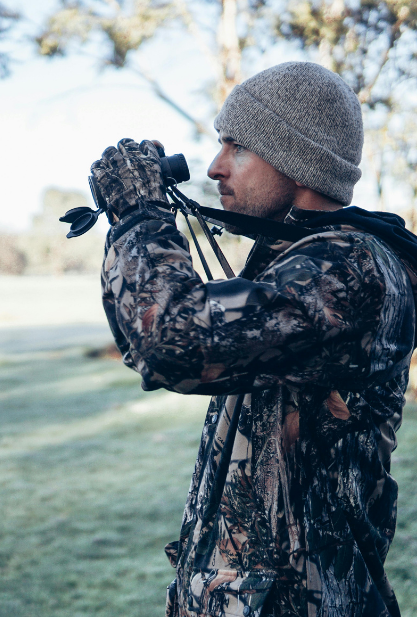
Choosing the right hunting gear today means navigating two distinct worlds: the classic, heritage-driven equipment trusted for generations, and the modern, technology-packed gear engineered for performance, comfort, and precision. Whether you’re drawn to traditional wool hunting clothing, iconic hunting equipment, old-school rifles, or cutting-edge hunting technology like digital rangefinders, smart hunting watches, and high-tech hunting optics, understanding the differences between traditional and modern hunting gear brands is essential.
Today’s hunters are asking: Do traditional gear makers still outperform in durability? Are modern hunting gear companies worth the cost? How does technology change the hunt? This comparison breaks it all down so you can confidently choose equipment that matches your hunting style, philosophy, and environment.
Defining Traditional Hunting Gear Brands
Traditional hunting gear brands are the companies that built their reputations over decades—or even centuries—based on rugged durability, simple functionality, and tried-and-true materials like leather, wool, and steel. These brands often reflect a nostalgic, classic approach to the outdoors, appealing to hunters who value heritage, craftsmanship, and long-term reliability.
Classic Qualities of Traditional Hunting Gear Brands
-
- Time-tested materials: Wool, heavy canvas, full-grain leather, blued steel.
- Minimal electronics: Gear that works without batteries, chargers, screens, or firmware updates.
- Generational longevity: Boots, rifles, and packs built to last decades—sometimes passed down through families.
- Iconic designs: Many traditional hunting boots, jackets, and rifles look similar to models made 30+ years ago.
- Old-school performance: Reliable in rough weather, thick brush, and rugged terrain.
Brands in this category often emphasize simplicity and durability over modern convenience. They appeal to hunters who appreciate analog craftsmanship and trust gear that has been proven in the field long before high-tech alternatives existed.
Examples of Traditional Gear Approach
-
- Traditional wool hunting clothing designed for silent movement
- Old school hunting rifles with wood stocks and fixed-power scopes
- Leather boots with thick soles and long break-in periods
- Classic camouflage or even solid-color earth tones
- Analog rangefinders or simple optical tools
Traditional gear tends to thrive in cold climates, challenging terrain, and quiet timber hunts where silence and reliability matter more than specialized technology.
Characteristics of Modern Hunting Gear Companies
On the opposite end of the spectrum, modern hunting gear companies lean heavily into innovation, performance engineering, and advanced materials. Their focus often centers around ultralight construction, moisture management, specialized insulation, and tech-enhanced precision tools.
Key Traits of Modern Hunting Gear Brands
-
- Technical fabrics: Synthetics, waterproof membranes, moisture-wicking layers, wind-blocking materials.
- Advanced camouflage patterns: Digital camo, topography-based prints, or terrain-specific micro-patterns.
- Lightweight hunting packs: Built for long-distance treks and fast mobility.
- High-tech hunting optics: Multi-coated lenses, HD glass, rangefinding binoculars, smart reticles.
- Cutting-edge hunting technology: GPS trackers, ballistic calculators, digital weather tools.
- Ethical sourcing and sustainability: Increasingly important for modern consumers.
Modern brands aim for precision, efficiency, and convenience, offering gear that adapts to specific climates, varied terrains, and specialized hunting styles. They often promote improved comfort and performance, even on long, physically demanding hunts.
Examples of Modern Gear Innovations
-
- Smart hunting watches with GPS and mapping
- Digital rangefinders with ballistic calculations
- Silent hunting apparel engineered for stealth
- Lightweight synthetic boots ready to wear out of the box
- Modern camouflage patterns designed for 3D breakup in diverse environments
Modern gear is ideal for hunters who tackle steep mountains, long treks, unpredictable weather patterns, and multi-day backcountry hunts.
Evaluating Technology in Hunting Gear
Technology is where the contrast becomes most obvious. Traditional gear rarely incorporates electronics or modern synthetics, whereas innovative hunting equipment companies thrive on integrating tech at every opportunity.
Where Modern Technology Excels
1. Optics Performance
High-tech hunting optics offer improved brightness, low-light performance, clarity, and precision.
Examples include:
-
- HD or ED glass
- Illuminated reticles
- Bluetooth-enabled ballistic tools
- Digital rangefinders
2. Weather Resistance
Modern waterproof membranes, synthetic insulation, and moisture-wicking layers perform better than traditional materials in extreme wet or humid conditions.
3. Weight Reduction
Carbon-fiber tripods, aluminum frames, UL boots, and lightweight hunting packs offer comfort and efficiency during multi-mile hunts.
4. Data & Navigation
Smart hunting watches and GPS devices reduce the risk of getting lost and help track animal movement, weather systems, and terrain.
5. Quiet Fabric Technology
New soft-shell materials can be nearly silent, rivaling wool but performing better in rainy conditions.
Where Traditional Technology Holds Its Own
1. Durability Over Decades
Traditional leather and canvas can last far longer than modern synthetics when properly maintained.
2. Battery-Free Reliability
Analog rangefinders, manual compasses, and classic rifles never fail due to dead batteries or software issues.
3. Natural Material Benefits
Wool stays warm even when wet. Leather conforms to the foot. Steel withstands extreme environmental abuse.
The best hunters often blend both worlds—using modern optics and clothing while still trusting a traditional rifle or boots.
Durability and Reliability Comparison
Durability depends on the category, but both traditional and modern gear have strengths.
Traditional Gear Durability Advantages
-
- Long-lasting materials (leather, steel, wool)
- Simple construction with fewer failure points
- Repairs are often easy and inexpensive
- Ideal for rugged terrain, thick brush, and cold climates
Modern Gear Durability Advantages
-
- Technical fabrics designed for abrasion resistance
- Waterproof coatings and membranes
- Strong ultralight materials (carbon fiber, modern polymers)
- Reduced weight without sacrificing strength
Common Weaknesses
-
Traditional gear: Heavy, requires maintenance (oiling leather, drying wool)
-
Modern gear: Can delaminate, lose waterproofing, or wear down faster with heavy use
Evaluating durability means examining your hunting environment, climate, and frequency of use.
Which Gear Style Is Best for You?
Choosing between traditional vs modern hunting gear depends on your philosophy, terrain, climate, and hunting style.
You’ll Prefer Traditional Gear If You Value:
- Simplicity and reliability without electronics
- Heritage, craftsmanship, and iconic hunting equipment
- Long-term durability and repairability
- Wool clothing for silent movement
- Leather boots with excellent support
-
Classic rifles that withstand years of use
You’ll Prefer Modern Gear If You Value:
-
- Lightweight equipment for long hikes
- Cutting-edge hunting technology
- High-performance moisture-wicking or waterproof materials
- Precision tools like digital rangefinders
- Modern camouflage patterns for concealment
- Minimal break-in times for clothing and boots
Balanced Approach (Best for Most Hunters)
A hybrid setup is often ideal. Many hunters use:
-
- A traditional rifle
- Modern optics
- Synthetic technical clothing
- Leather-synthetic hybrid boots
- A mix of analog reliability and digital convenience
- This approach blends the best of both worlds—durability, comfort, and high performance.
Traditional and modern hunting gear brands each offer unique strengths. Classic gear emphasizes heritage, longevity, and simplicity, while modern equipment provides advanced comfort, performance, and precision. Understanding the differences helps you compare hunting clothing brands, evaluate durability, and choose the right gear for your terrain and philosophy.
Whether you’re outfitting for rugged terrain, cold-weather hunts, or high-tech western backpacking, knowing how these gear categories differ will help you make smarter, more informed decisions.
Meet, Learn & Compare Brands at HSCF 2026 Convention
The Houston Safari Club Foundation Worldwide Hunting Expo & Convention is more than an event — it’s an investment in your hunting future.
Dates: January 23–25, 2026
Location: The Woodlands Waterway Marriott Hotel & Convention Center
Tickets: $20 Day Pass | $35 Weekend Pass | Kids 15 & Under Free
Military & First Responders: Free admission with ID
Your pass includes a 1-year digital HSCF membership, supporting scholarships, youth education, and wildlife conservation.
Experience:
- Global outfitters ready to book your next adventure
- Exclusive expo deals and giveaways
- Live and silent auctions
- Raffles for premium gear and firearms
- Banquets and galas celebrating the hunting lifestyle
Don’t miss your chance to save money, make connections, and support the future of hunting — all in one weekend.
Learn more and get your passes at hscfdn.org/convention-attendees.