


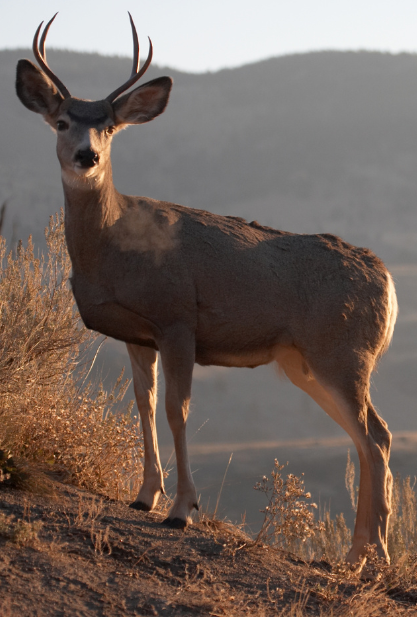
For hunters across the West, mule deer are one of the most iconic and challenging species to pursue. Their elusive nature, seasonal movements, and diverse habitats demand a deep understanding of deer behavior and hunting tactics. Whether you’re into archery hunting, rifle hunting, or planning a rugged backcountry hunting trip, knowing where and how mule deer live is essential to success.
In this guide, we’ll break down the key elements of mule deer habitat, behavior patterns, and how to use that knowledge to your advantage during the hunting season.
Mule Deer Habitat Throughout the Year
Mule deer habitat varies dramatically throughout the year, driven by changes in weather, food availability, and breeding cycles. During spring and summer, mule deer often inhabit high country terrain—alpine basins, meadows, and open ridgelines rich with vegetation. Bucks grow their antlers during this period and seek out areas with plenty of feed and minimal pressure.
As fall approaches, deer begin to move into lower elevations. These transition zones provide better cover and easier access to food as the high country begins to freeze. Winter pushes mule deer even lower, often into sagebrush flats, foothills, or protected canyons where snow accumulation is lighter and survival is easier.
Understanding these seasonal shifts is crucial, especially for those engaged in western hunting across rugged landscapes.
Understanding Mule Deer Migration Routes
Migration is one of the most fascinating aspects of mule deer behavior. In many regions, particularly in the Rockies and Intermountain West, deer travel long distances—sometimes over 100 miles—between summer and winter range. These migration routes are passed down through generations and follow predictable paths along ridges, saddles, and river corridors.
For hunters, identifying and scouting these corridors can be a game-changer. Look for mule deer sign like tracks, rubs, and trails in bottlenecks and funneling terrain. These areas can become prime locations for spot and stalk or glassing during early season hunts.
Modern tools like GPS mapping, digital scouting platforms, and migration overlays can help you pinpoint high-traffic areas before stepping foot in the field.
The Mule Deer Rut: A Hunter’s Calendar
The rut—mule deer breeding season—is a highly anticipated time for buck hunters. It typically kicks off in late October or early November and peaks around mid-to-late November, depending on the region.
During the rut:
-
Bucks become more visible and less cautious as they seek out receptive does.
-
You’re more likely to spot mature bucks during daylight hours.
-
Scrapes and rubs are common indicators of rutting activity.
Understanding the rut calendar is key to adjusting your hunting tactics. This is a prime time for rifle hunting, though savvy archery hunters who target the pre-rut may also catch bucks patterning does before the frenzy begins.
Daily Patterns of Mule Deer
Even during the rut, mule deer follow fairly predictable daily patterns. They tend to feed at dawn and dusk (crepuscular behavior) and bed down during midday. Bucks, especially mature ones, often choose bedding locations with wind advantages and escape cover.
Pay attention to:
-
Morning feeding areas—meadows, south-facing slopes, or open sagebrush.
-
Midday bedding zones—north-facing timber, benches, or shaded draws.
-
Evening movement corridors—routes leading back to food sources.
Tailoring your hunting setup to match these natural rhythms will improve your odds during any phase of the season.
How Topography Influences Mule Deer Movement
Topography plays a huge role in how mule deer use the landscape. These deer instinctively use terrain to their advantage—both for safety and efficiency. Understanding these tendencies is vital for locating deer and planning your approach.
Key terrain features to focus on:
-
Benches and shelves – Prime bedding areas.
-
Saddles and ridgelines – Common travel routes, especially during migration.
-
Draws and coulees – Provide cover and wind protection.
-
South-facing slopes – Preferred for winter bedding due to warmth and sun.
Smart hunters use glassing techniques from elevated vantage points to study terrain and spot deer from a distance. Once you locate them, you can plan a careful spot and stalk based on wind direction and line of sight.
Final Thoughts
Success in mule deer hunting doesn’t come down to luck—it comes from understanding your quarry. By learning how mule deer behave, migrate, and change their habitat throughout the year, and by using the terrain to your advantage, you’ll put yourself in a much better position to notch that tag.
Whether you’re sharing stories around deer camp, glassing basins at sunrise, or making your final stalk on a bedded buck, knowledge is your greatest weapon. So do your scouting, read the mule deer sign, and stay adaptable in the field.
Good luck this hunting season—and may your efforts bring you close to a mature muley in the high country.
Be a part of the HSCF Community!
Joining HSCF means becoming part of a passionate, global community dedicated to wildlife conservation and sustainable hunting. Members support critical conservation efforts and gain access to exclusive events, educational resources, and networking opportunities. United by a love for nature and responsible outdoor practices, HSCF members play a vital role in preserving wildlife and habitats for future generations.