


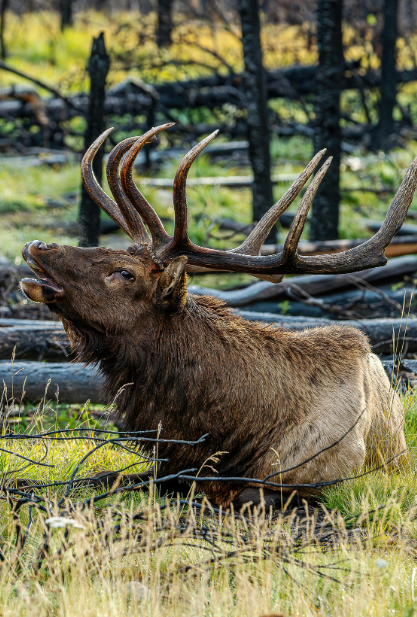
The Language of the Woods: Decoding North American Elk Vocalizations
Few sounds in the North American wilderness are as iconic, or as biologically complex, as the voice of the elk. Across alpine basins, forest edges, and open meadows, elk rely on a highly evolved system of vocal communication to signal dominance, coordinate herd movement, warn of danger, and maintain social bonds.
Understanding North American elk vocalizations gives hunters, biologists, and conservationists a clearer view into herd structure, seasonal behavior, and the broader ecological dynamics of big game animal behavior.
The Anatomy of a Bugle: The surprising physical mechanics behind an elk’s high-pitched scream and deep grunt
The elk bugle is one of the most recognizable sounds in nature, but behind it is a remarkable system of anatomical adaptation and airflow control. During the rut, bull elk manipulate their larynx, vocal cords, and nasal passages simultaneously to produce a wide range of tones, from low, rumbling grunts to high-frequency, whistle-like screams.
This vocal shift is driven by rapid changes in air pressure and resonance within an extended vocal tract, allowing a single animal to produce layered and highly expressive calls. The result is not just sound, but a complex acoustic signal used in elk bugling science to communicate strength, readiness, and territorial dominance.
These vocalizations serve both biological and social purposes, broadcasting fitness to rival bulls while also attracting receptive cows across long distances in rugged terrain.
Barks, Chirps, and Mews: How cows and calves communicate day-to-day within the security of the harem
While bull elk dominate attention during the rut, cow elk and calves maintain a constant and nuanced dialogue throughout the year. These softer vocalizations include barks, chirps, and mews, each serving specific roles in maintaining herd cohesion.
Cows often use short, sharp barks to signal alarm or alert the group to potential threats. Calves respond with higher-pitched mews that help maintain contact with their mothers, especially in dense cover or low visibility conditions.
Within the security of the harem, these elk communication patterns ensure that herd members remain coordinated, even when separated by terrain or vegetation. This continuous acoustic exchange is essential for calf survival and overall herd stability.
Reading the Room: How hunters and biologists use vocal tones to determine herd stress, aggression, and location
Experienced hunters and wildlife biologists can interpret elk vocalizations much like a language. The tone, frequency, and intensity of calls often reveal critical information about herd condition and behavior.
Aggressive, frequent bugling typically indicates heightened rut activity and strong competition among bulls. Softer, irregular vocalizations may suggest a relaxed herd, feeding behavior, or increased caution due to perceived threats. Sudden silence, on the other hand, can indicate stress or predator awareness.
By learning to “read” these acoustic cues, observers can better locate herds, anticipate movement patterns, and assess environmental pressures influencing elk behavior. This skill is especially valuable in studying elk communication patterns in complex, forested terrain.
Preserving the Soundscape: Why public land conservation is essential to maintaining healthy elk populations
The soundscape of the elk rut is more than a seasonal phenomenon, it is an indicator of ecosystem health. Healthy elk populations depend on large, undisturbed habitats where natural behaviors, including vocal communication, can occur without excessive human disruption.
Public lands play a critical role in preserving these conditions. Habitat connectivity, migration corridors, and low-disturbance zones all contribute to sustaining natural herd dynamics and communication systems.
Organizations like HSCF support these efforts through wildlife conservation funding and research initiatives. Learn more about conservation impact and grant programs here: https://hscfdn.org/grants/
HSCF also advocates for responsible wildlife management and habitat protection to ensure future generations can continue to experience intact elk ecosystems and natural soundscapes: https://hscfdn.org/advocacy/
Protecting these landscapes ensures that the language of the woods, the bugles, barks, and calls of elk, continues to echo across North America for generations to come.