


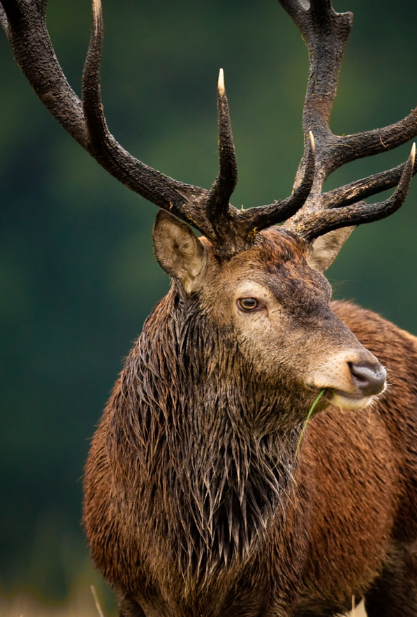
Few wildlife spectacles rival the intensity of New Zealand’s red stag “roar.” Echoing through alpine basins and native forests, this annual rut transforms normally elusive animals into vocal, aggressive, and highly visible competitors. For hunters, conservationists, and wildlife enthusiasts alike, understanding the roar season offers a deeper appreciation of both the species and the landscapes they inhabit.
The Biology of the “Roar”: Why Red Stags Become Vocal and Aggressive
The roar—New Zealand’s term for the rut—is driven by one simple biological force: reproduction. As autumn arrives (March through April), female deer (hinds) enter estrus, triggering a surge of testosterone in males.
This hormonal spike transforms stags dramatically:
- Vocalization as advertisement: The deep, resonant roar signals strength and fitness to females while warning rival males to stay away. Each stag’s call is unique, acting as an acoustic fingerprint of dominance.
- Aggression and combat: When roaring isn’t enough, stags engage in violent clashes, locking antlers in battles that can result in injury—or death.
- Harem defense: Dominant males gather and guard groups of hinds, constantly patrolling and chasing off challengers.
During this period, stags eat less, move more, and burn enormous energy reserves. The roar is not just a mating ritual—it’s a high-stakes survival test where only the strongest genes are passed on.
Topography and Tactics: How New Zealand’s Rugged Terrain Shapes Behavior
New Zealand’s landscapes—especially across the Southern Alps—play a defining role in how red stags behave during the roar. Steep valleys, dense bush, and rolling tussock country influence everything from movement patterns to bedding areas.
- Sound amplification: Roars travel long distances through valleys, allowing stags to communicate and challenge rivals across vast terrain.
- Terrain-driven movement: Stags often position themselves on ridgelines or in basins where they can monitor hinds and detect competitors.
- Cover and concealment: Gullies, timber edges, and folds in the land provide bedding areas and stalking routes—both for deer and hunters.
- Wind as a constant factor: Mountain winds dictate movement; stags rely heavily on scent, often shifting position to maintain advantage over rivals and threats.
For hunters, this terrain creates a chess match. Success often depends less on calling and more on reading the land—using wind, elevation, and natural cover to close the distance on a vocal stag.
Management Through Hunting: Balancing a Non-Native Species
Red deer were introduced to New Zealand in the 19th century and, without natural predators, their populations expanded rapidly. Today, they are considered an invasive species that can significantly impact native ecosystems.
Uncontrolled populations:
- Damage native vegetation through over-browsing
- Compete with indigenous wildlife
- Alter fragile alpine and forest ecosystems
This is where regulated hunting plays a crucial role. By reducing deer densities, hunters help protect biodiversity and maintain ecological balance. Organizations such as the New Zealand Game Animal Council emphasize responsible hunting practices and access management to ensure sustainability.
Additionally, international conservation advocacy and funding initiatives—like those highlighted by the Hunter’s Support Coalition advocacy efforts and grant programs—demonstrate how hunting communities contribute to habitat protection, research, and wildlife management worldwide.
Conservation Impact: Hunting Tourism in the Southern Alps
New Zealand’s red stag roar has become a global draw, attracting hunters from North America, Europe, and beyond. This international interest has created a powerful conservation economy.
In regions surrounding the Southern Alps:
- Hunting tourism generates revenue for landowners and local communities
- Funds habitat restoration and pest control initiatives
- Supports sustainable land management practices
Because red deer are not native, their management aligns closely with conservation goals. Ethical hunting operations reinvest in the landscape, ensuring that ecosystems remain healthy while maintaining New Zealand’s reputation as a premier hunting destination.
Conclusion: A Wild Symphony with Purpose
The roar season is more than a hunting opportunity—it’s a biological drama shaped by evolution, terrain, and human stewardship. From the thunderous calls echoing through alpine valleys to the careful management of introduced species, New Zealand’s red stag embodies a complex intersection of nature and conservation.
Understanding the roar reveals something deeper: in the rugged beauty of the Southern Alps, every echo carries meaning—of competition, survival, and the ongoing effort to balance wildlife with the landscapes they inhabit.