


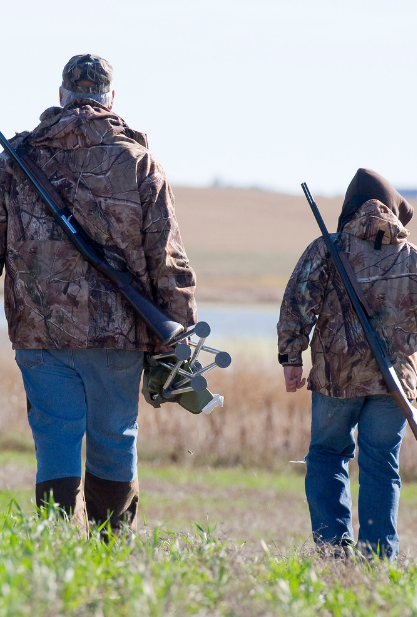
Across the country, the number of hunters is gradually declining, posing a challenge not only to the continuation of outdoor traditions but also to wildlife conservation funding and management. This is where mentoring the next generation of hunters becomes vital.
By stepping up as a new hunter mentor, you are doing more than teaching someone how to shoot or track game—you’re preserving a lifestyle, supporting conservation, and ensuring that the values of ethical and responsible hunting are passed on. Whether your mentee is a young family member or an adult-onset hunter eager to learn, your guidance could shape their entire outdoor journey.
This blog explores how to become a successful hunting mentor, how to plan and execute a mentee’s first hunt, and how to foster not just skill, but a lifelong appreciation for the hunting tradition.
Why Mentoring New Hunters Is Important
The decline in hunting participation in recent decades has major implications. Fewer hunters mean:
-
Less funding for wildlife agencies via license sales
-
Reduced advocacy for land and habitat conservation
-
A disconnect between people and nature
Programs like the R3 program (Recruitment, Retention, and Reactivation) are aimed at reversing these trends, but real success lies in one-on-one mentorship.
Hunting mentorship matters because:
-
It lowers the barrier to entry for beginners
-
It builds confidence through hands-on learning
-
It transmits essential outdoor skills and firearm safety
-
It helps retain new hunters through support and community
Most importantly, it creates lasting bonds—between mentor and mentee, and between people and the land. As a mentor, you become part of something larger: ensuring that next generation hunters are ethical, knowledgeable, and conservation-minded.
Finding an Eager Mentee
Finding the right person to mentor doesn’t always mean waiting for someone to ask. Many potential hunters are out there—they just need someone to open the door.
Consider looking for a mentee among:
-
Family and friends with children interested in the outdoors (family hunting is a powerful tradition)
-
Adults who didn’t grow up hunting but want to learn (adult-onset hunters)
-
Students or colleagues who are curious about wild food, sustainability, or conservation
-
Participants in local hunter education or hunter safety course programs
Don’t overlook people from urban or non-traditional backgrounds. Diversity in the hunting community strengthens the tradition and builds broader support for wildlife and habitat protection.
When choosing a mentee, look for someone who shows:
-
A sincere interest in learning to hunt
-
Respect for wildlife and the outdoors
-
A willingness to invest time in the process
-
Curiosity and openness to feedback
Teaching Core Skills and Firearm Safety
Once you’ve connected with a beginner hunter, your first job is to build a solid foundation of knowledge and skills—and that starts with safety.
Firearm safety should be your #1 priority. Before ever stepping into the woods, a new hunter should:
-
Complete a certified hunter safety course
-
Learn the four fundamental rules of firearm safety
-
Understand how to handle, load, and unload firearms safely
-
Practice muzzle control and trigger discipline
Beyond that, help them develop essential hunting skills such as:
-
Animal identification and behavior
-
Tracking and reading sign
-
Shot placement and ethical shooting
-
Camouflage, scent control, and concealment
-
Basic navigation and survival skills
Hands-on practice is key. Use shooting ranges, backyard dry fire drills, scouting trips, and simulated hunts to build competence before the real thing. Don’t rush—getting started in hunting is a journey, not a checklist.
Planning the First Hunt
The first hunt is a milestone, and how it goes can shape a new hunter’s future enthusiasm. Make it a positive, pressure-free experience that focuses more on learning than on success.
Tips for planning the first hunt:
-
Choose the right species—small game like squirrels, doves, or rabbits are ideal starters
-
Pick a location with a high chance of encountering game
-
Keep the hunt short and flexible
-
Focus on enjoyment and observation, not just the shot
-
Practice using gear ahead of time—boots, blinds, firearms, clothing, calls
As a hunting mentor, take the time to explain the “why” behind every decision—why you’re approaching from a certain direction, why wind matters, why patience is key.
Allow your mentee to:
-
Ask questions freely
-
Handle equipment under supervision
-
Make small decisions to build confidence
Youth hunting experiences especially benefit from gentle encouragement, clear expectations, and plenty of snacks!
How to Instill a Strong Hunting Ethic
Mentorship is not just about what happens in the field—it’s also about teaching the values that make someone an ethical hunter.
Topics to cover include:
-
The concept of fair chase and sportsmanship
-
Respect for wildlife, both hunted and non-game species
-
Obeying hunting laws and regulations at all times
-
The importance of humane harvests and clean kills
-
Using as much of the animal as possible
-
Understanding the hunter’s role in conservation education
Talk about hunting etiquette, how to interact with landowners, and why hunters are some of the most dedicated stewards of the land.
Share real stories—both your proudest moments and your mistakes. This honesty helps a mentee develop their own hunting ethic that goes beyond following the law to include personal integrity and responsibility.
Focusing on the Experience, Not Just the Harvest
One of the biggest mistakes mentors can make is putting too much emphasis on getting a kill. For beginner hunters, especially youth or adult-onset hunters, the experience is often what leaves the most lasting impression.
Encourage your mentee to:
-
Enjoy the stillness and quiet of the early morning woods
-
Appreciate wildlife encounters, even if no shots are taken
-
Celebrate lessons learned, even from missed opportunities
-
Reflect on what it means to harvest your own food
-
Understand the spiritual and emotional connection many hunters feel to the land
This mindset shift creates lifelong hunters, not just occasional ones. A mentee who sees value in the entire process—scouting, preparing, observing, waiting—is far more likely to stick with hunting than one focused solely on success rates.
By teaching them to slow down and appreciate the journey, you’re helping them internalize what responsible hunting is truly about.
The Reward of Outdoor Mentorship
Being a new hunter mentor isn’t always easy—it requires patience, time, and commitment. But the rewards are immense.
You get to:
-
Pass on cherished traditions
-
Share your love of the outdoors
-
Strengthen your own understanding through teaching
-
Create lasting memories and connections
-
Make a real difference in the future of hunting and conservation
Most importantly, you become part of something bigger—something that sustains not just a sport, but a way of life deeply connected to the land, wildlife, and self-reliance.
Final Thoughts: Be the Mentor You Once Needed
Everyone starts somewhere. Maybe you had a parent, grandparent, or friend who took you under their wing. Or maybe you had to figure it out the hard way.
Now is your chance to be the guide you once needed—for someone who is curious, eager, and just needs the right push.
By committing to hunting mentorship, you’re doing more than creating hunters. You’re fostering conservationists, responsible citizens, and lovers of the natural world.
Let’s ensure that the next generation of hunters inherits not only the skills, but the values that have kept hunting honorable, sustainable, and deeply meaningful for centuries.
Be a part of the HSCF Community!
Joining HSCF means becoming part of a passionate, global community dedicated to wildlife conservation and sustainable hunting. Members support critical conservation efforts and gain access to exclusive events, educational resources, and networking opportunities. United by a love for nature and responsible outdoor practices, HSCF members play a vital role in preserving wildlife and habitats for future generations.