


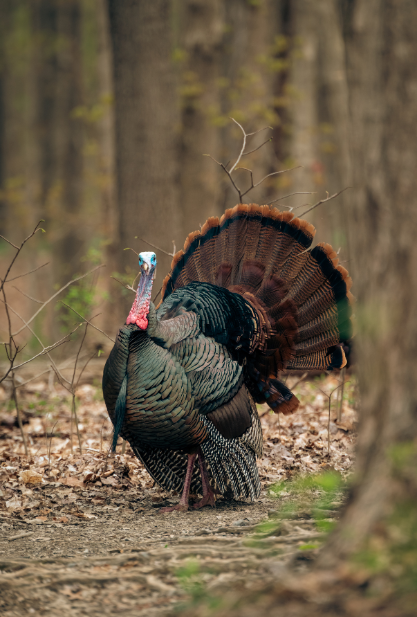
Wild turkeys are one of the most sought-after birds in North American hunting—and for good reason. Their sharp senses, complex social structure, and wide vocabulary of turkey sounds make them both exciting and challenging to pursue. Whether you’re gearing up for spring turkey hunting or a fall hunt, understanding turkey behavior and how to interpret their vocalizations is crucial for success.
This guide breaks down the behavioral patterns, social structure, body language, and calling strategies every hunter should know. Let’s dive into what makes these birds tick—and how to use that to your advantage in the field.
Understanding Seasonal Turkey Behavior
Turkey behavior changes dramatically throughout the year, and adapting your approach to the season is key to a successful hunt.
Spring:
-
Spring is mating season. Gobbler (male) turkeys become vocal, strutting, and drumming to attract hens.
-
Hens respond with yelps, clucks, and purrs—and the woods come alive with turkey calls.
-
Roosting sites and travel routes from roost to feeding areas are vital during this time.
Fall:
-
Birds regroup into flocks—hens with their poults, bachelor groups of jakes and gobblers.
-
Less vocal activity, but turkey sounds like clucks, kee-kees, and assembly yelps become more common.
-
Fall hunts are often more about turkey scouting, tracking, and busting-and-calling tactics.
Knowing these seasonal shifts helps you choose the proper calling techniques, decoy setups, and hunting strategies.
The Social Structure of Wild Turkeys
Wild turkeys have a complex social hierarchy that affects how they move, interact, and respond to hunters.
-
Gobbler: Mature male, dominant in spring flocks, especially during the strutting season.
-
Jake: Young male, subordinate to gobblers but still participates in displays and calls.
-
Hen: Female turkey, critical to the flock’s behavior and vocal communication.
-
Poult: Young turkey, often seen in family groups during late summer and fall.
Turkeys establish pecking orders early, and dominance plays a significant role in how they react to decoys and calls. A lone jake decoy might draw in a subordinate gobbler, while a full strutting decoy could either challenge or intimidate him, depending on his rank and confidence.
Common Wild Turkey Vocalizations Explained
Understanding turkey calls is fundamental to effective hunting. Here are the most common turkey sounds and what they mean:
-
Yelp: The go-to vocalization of hens—used to locate other turkeys or call in a mate.
-
Cluck: A short, sharp sound indicating curiosity or mild alarm.
-
Cutt: A loud, excited series of clucks—often used by hens ready to mate or during aggressive social interactions.
-
Purr: A soft, rolling sound showing contentment, often heard when turkeys are feeding.
-
Gobble: The classic springtime call of a gobbler—used to attract hens and assert dominance.
-
Drumming: A subtle, low-frequency sound made by gobblers during strutting—barely audible to humans but crucial in close-range encounters.
Use a mix of calling techniques to mimic real turkey vocalizations. Adjust volume, cadence, and intensity based on the turkey’s mood and proximity.
Interpreting Turkey Body Language
Turkeys communicate as much through body language as they do through sound. Reading their behavior helps you know when to call, when to move, and when to stay still.
-
Strutting: Gobblers puff up, fan their tails, and drag their wings—a display meant to attract hens and intimidate rivals.
-
Head color changes: Bright red, white, or blue heads signal excitement or aggression.
-
Neck stretching or freezing: Indicates alertness or suspicion.
-
Feather fluffing and wing-dropping: Signs of comfort or dominance.
Recognizing these cues can help you time your shots or fine-tune your decoy presentation to match what the turkey expects.
How Weather Affects Turkey Activity
Weather plays a significant role in turkey hunting success. Here’s how different conditions affect behavior:
-
Sunny, calm mornings: Ideal for roosting setups and vocal gobblers. Birds are easier to locate with glassing and listening.
-
Windy days: Turkeys tend to stay in lower areas and may be quieter. Use louder calls, such as cutts, to cut through the wind.
-
Rainy weather: Birds may head to open fields to dry off and stay visible. Wet conditions can muffle sound—be patient and observant.
-
Cold snaps: Can reduce gobbling and delay morning movement.
Adjust your hunting strategies and gear accordingly. Rain gear, wind-resistant calls, and flexible decoy setups help you stay adaptable when the weather shifts.
Putting It All Together for a Successful Hunt
Success in turkey hunting is a blend of scouting, understanding behavior, using the right turkey calls, and reading the situation. Here’s how to put it all together:
-
Scout turkey habitat before the season—look for tracks, droppings, strut zones, and roosting trees.
-
Match your calling techniques to the season and turkey behavior. Be aggressive in spring, subtle in fall.
-
Use decoys intelligently—single hens for lonely gobblers, jake-hen pairs during peak rut.
-
Stay concealed with proper camouflage and minimal movement.
-
Time your hunt based on turkey routines—morning fly-downs, midday loafing zones, and evening roosting paths.
Whether you’re deep in the hardwoods during spring turkey hunting or busting fall flocks in open fields, the more you understand how turkeys think, act, and sound, the more effective you’ll be.
Be a part of the HSCF Community!
Joining HSCF means becoming part of a passionate, global community dedicated to wildlife conservation and sustainable hunting. Members support critical conservation efforts and gain access to exclusive events, educational resources, and networking opportunities. United by a love for nature and responsible outdoor practices, HSCF members play a vital role in preserving wildlife and habitats for future generations.